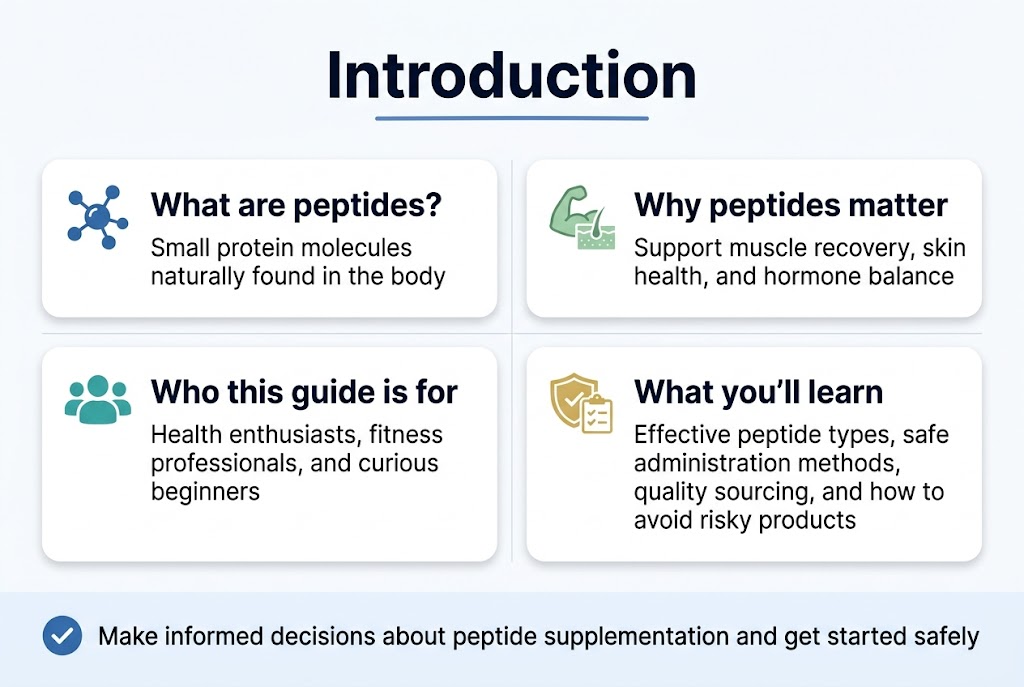
Peptides are becoming a game-changer in the health and wellness world, and for good reason. These small protein molecules naturally occur in your body and play key roles in everything from muscle recovery to skin health to hormone balance.
This guide is perfect for health enthusiasts, fitness professionals, and anyone curious about adding peptides to their wellness routine. You’ll get science-backed insights without the confusing medical jargon.
We’ll break down the most effective types of peptides for your specific health goals and walk you through safe administration methods that actually work. You’ll also learn how to spot high-quality peptide sources and avoid the sketchy products flooding the market.
By the end, you’ll have the confidence to make informed decisions about peptide supplementation and know exactly how to get started safely.
Understanding Peptides and Their Role in Human Health
What Are Peptides and How They Differ from Proteins
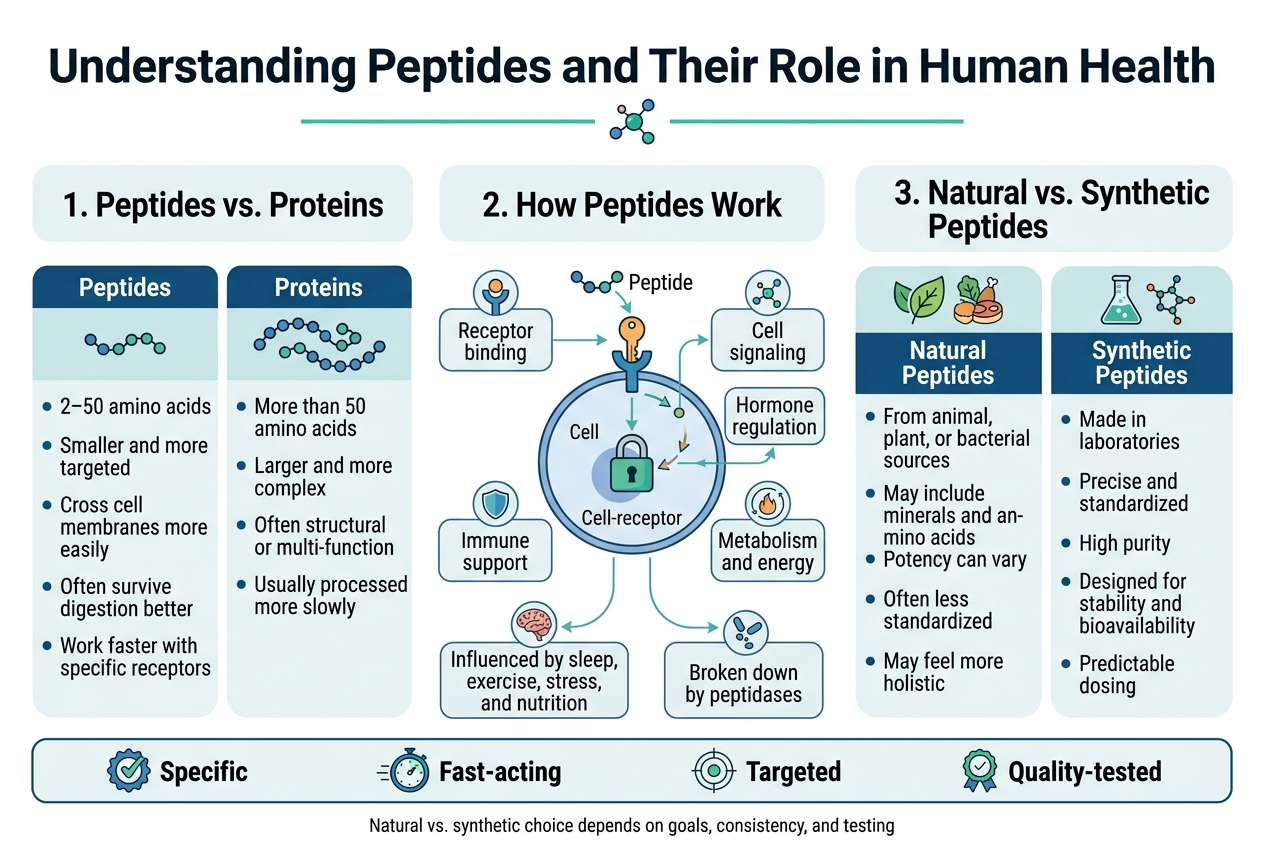
Peptides are essentially smaller versions of proteins, but their size difference creates dramatically different effects in your body. Think of peptides as the building blocks that come before proteins – they’re chains of amino acids linked together, but they contain far fewer amino acids than their protein counterparts.
When amino acids connect through peptide bonds, they form these chains. Peptides typically contain between 2 and 50 amino acids, while proteins usually have more than 50. This might seem like a small distinction, but it makes all the difference in how your body processes and uses them.
The smaller size of peptides gives them unique advantages. They can slip through cellular membranes more easily than proteins, allowing them to reach target tissues faster and more efficiently. Your digestive system also breaks down peptides differently – they often survive the harsh stomach environment better than larger proteins, making them more bioavailable when taken as supplements.
Peptides also have a more specific action compared to proteins. While proteins often serve multiple functions or act as structural components, peptides typically have very targeted roles. They might signal specific cellular responses, regulate hormone production, or trigger particular metabolic processes. This specificity makes them powerful tools for addressing specific health concerns.
Your body naturally produces thousands of different peptides, each with its own job. Some act as neurotransmitters in your brain, others regulate your immune system, and many control various hormonal processes. When you understand this natural peptide production, you can better appreciate how supplemental peptides might support your body’s existing systems.
The key difference also lies in how quickly peptides work. Because they’re smaller and more targeted, peptides often produce effects faster than proteins. They can bind to specific receptors on cells and trigger immediate responses, while proteins might need to be broken down first or work through more complex pathways.
The Science Behind Peptide Function in Your Body
Peptides work through several sophisticated mechanisms that showcase the remarkable precision of human biology. These small molecules act as messengers, carrying specific instructions between cells and triggering cascades of beneficial responses throughout your system.
The primary way peptides function is through receptor binding. Each peptide has a unique molecular structure that fits specific receptors on your cells, much like a key fitting into a lock. When a peptide binds to its target receptor, it activates intracellular signaling pathways that can influence everything from gene expression to hormone production.
Your endocrine system relies heavily on peptide hormones for communication. Growth hormone-releasing peptides, for example, stimulate your pituitary gland to produce more growth hormone naturally. This process involves complex feedback loops where the peptide signals the brain, which then releases hormones that affect tissues throughout your body.
Peptides also influence your cellular metabolism directly. Some peptides can enhance mitochondrial function, improving your cells’ ability to produce energy. Others might influence how your cells process nutrients or respond to oxidative stress. These metabolic effects explain why many people report increased energy and improved physical performance when using certain peptides.
The immune system represents another area where peptides excel. Many peptides have antimicrobial properties, helping your body fight off infections naturally. Others modulate immune responses, potentially reducing inflammation or enhancing your body’s ability to recognize and eliminate threats.
Peptides can also cross the blood-brain barrier, something many other molecules cannot do effectively. This ability allows certain peptides to influence brain function directly, affecting mood, cognitive performance, and neurological health. The mechanism involves specialized transport systems that recognize and shuttle specific peptides into brain tissue.
Your body’s natural peptide production follows circadian rhythms and responds to various stimuli. Stress, exercise, sleep, and nutrition all influence which peptides your body produces and when. Understanding these patterns helps explain why timing can be crucial when using peptide supplements.
The degradation and clearance of peptides also differs from proteins. Enzymes called peptidases break down peptides relatively quickly, which explains why many therapeutic peptides need frequent dosing. However, this rapid clearance also means peptides don’t accumulate in tissues like some other substances might.
Natural vs Synthetic Peptides: Key Differences That Matter
The distinction between natural and synthetic peptides affects everything from their effectiveness to their safety profile, making this knowledge essential for anyone considering peptide supplementation.
Natural peptides come directly from biological sources – animal tissues, plants, or even bacterial fermentation. These peptides maintain their original molecular structure as found in nature, complete with any associated cofactors or supporting compounds that might enhance their function. Collagen peptides derived from bone broth represent a classic example of natural peptides that have been used for centuries.
Natural peptides often come with additional beneficial compounds. When you consume collagen peptides from natural sources, you’re also getting minerals, amino acids, and other nutrients that work synergistically with the peptides themselves. This creates a more holistic effect than you might get from isolated compounds.
However, natural peptides have limitations. Their potency can vary significantly based on the source, processing methods, and storage conditions. A collagen supplement from one manufacturer might contain very different concentrations of active peptides compared to another, making it difficult to predict exact effects.
Synthetic peptides, on the other hand, are created in laboratories using precise chemical processes. Scientists can design these peptides to have specific properties, optimizing them for particular functions or improving their stability and bioavailability. Many therapeutic peptides used in medical settings are synthetic because they can be standardized and quality-controlled more effectively.
The manufacturing process for synthetic peptides allows for incredible precision. Scientists can modify specific amino acids in the chain to enhance the peptide’s effectiveness, reduce side effects, or improve its ability to reach target tissues. This level of control is impossible with natural peptides.
Synthetic peptides also offer consistency. Each batch contains exactly the same molecular structure and concentration, allowing for predictable dosing and effects. This standardization makes research easier and gives users more confidence in what they’re taking.
Purity represents another major advantage of synthetic peptides. Natural extraction processes might introduce contaminants or unwanted compounds, while synthetic production can create peptides with 99% or higher purity levels. This purity reduces the risk of adverse reactions and ensures you’re getting exactly what you expect.
Cost considerations differ between natural and synthetic options. Natural peptides might be less expensive to produce in some cases, especially when derived from readily available sources like animal byproducts. However, synthetic peptides can be more cost-effective for rare or complex sequences that would be difficult to extract naturally.
Storage and stability also vary between natural and synthetic peptides. Synthetic peptides can be designed with improved stability, lasting longer in storage and maintaining their potency better than natural alternatives. Natural peptides might require special storage conditions or have shorter shelf lives.
The bioavailability question becomes complex when comparing natural and synthetic peptides. While synthetic peptides can be designed for optimal absorption, natural peptides might come with supporting compounds that enhance their uptake and utilization. Some people report better results with natural forms, while others prefer the predictability of synthetic versions.
Regulatory considerations differ significantly between natural and synthetic peptides. Natural peptides derived from food sources often fall under dietary supplement regulations, while synthetic peptides might be classified differently depending on their intended use and marketing claims.
Your body’s immune system might respond differently to natural versus synthetic peptides. Natural peptides are more likely to be recognized as familiar compounds, potentially reducing the risk of immune reactions. Synthetic peptides, especially those with modified structures, might be seen as foreign substances in some cases.
The choice between natural and synthetic peptides often depends on your specific goals and preferences. If you’re seeking general health support and prefer a more holistic approach, natural peptides might appeal to you. If you want targeted effects with predictable dosing, synthetic peptides might be the better choice.
Quality testing becomes crucial regardless of which type you choose. Natural peptides should be tested for contaminants, potency, and purity, while synthetic peptides need verification of their exact molecular structure and concentration. Both types benefit from third-party testing to ensure you’re getting what you pay for.
Top Health Benefits of Peptide Supplementation
Accelerated Muscle Growth and Recovery
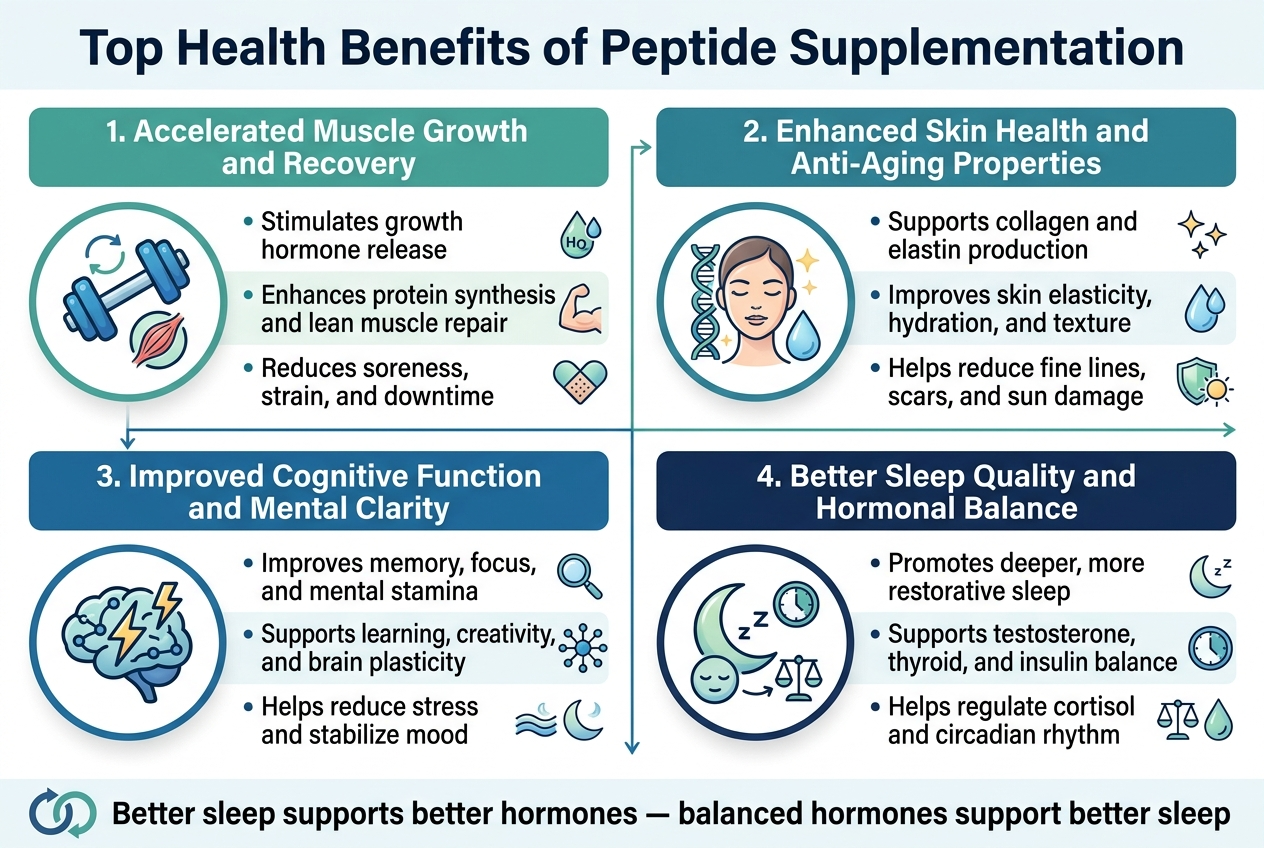
When you’re pushing your body to its limits, whether through intense workouts or athletic training, peptides can become your secret weapon for faster muscle development and recovery. These powerful compounds work at the cellular level to trigger growth hormone release and enhance protein synthesis, creating an environment where your muscles can repair and grow more efficiently than ever before.
Growth hormone-releasing peptides like GHRP-6 and CJC-1295 stand out as game-changers in the muscle-building arena. These peptides stimulate your pituitary gland to release more natural growth hormone, which directly impacts muscle fiber repair and growth. Users often report significant improvements in lean muscle mass within just a few weeks of consistent use, with gains that feel more sustainable and natural compared to traditional methods.
The recovery benefits are equally impressive. BPC-157, often called the “body protection compound,” has shown remarkable ability to accelerate healing of muscle tears, strains, and even tendon injuries. Athletes who incorporate this peptide into their recovery protocols frequently experience reduced downtime between training sessions and faster healing from minor injuries that would normally sideline them for weeks.
TB-500 works differently but just as effectively, promoting the formation of new blood vessels and improving blood flow to damaged tissues. This enhanced circulation delivers more nutrients and oxygen to recovering muscles, speeding up the repair process and reducing inflammation. Many users notice less muscle soreness and stiffness after intense training sessions.
The combination effect becomes even more powerful when multiple peptides work together. A stack containing both growth hormone-releasing peptides and recovery-focused compounds creates a synergistic environment where muscle growth and repair happen simultaneously. This approach allows for more frequent, intense training sessions while minimizing the risk of overtraining or injury.
Dosage timing plays a critical role in maximizing these benefits. Taking growth hormone-releasing peptides on an empty stomach, typically before bed or upon waking, optimizes their effectiveness. Recovery peptides like BPC-157 work best when administered closer to training sessions, allowing them to target areas of acute stress and damage.
Enhanced Skin Health and Anti-Aging Properties
Your skin tells the story of your health, and peptides are rewriting that narrative for countless people seeking to turn back the clock. Collagen peptides have revolutionized skincare from the inside out, providing building blocks that your body uses to repair and regenerate skin tissue at the deepest levels.
Collagen production naturally declines as we age, starting in our twenties and accelerating through our thirties and beyond. Peptide supplementation can effectively counteract this decline by providing bioavailable amino acid sequences that signal your body to ramp up its own collagen synthesis. Users consistently report improvements in skin elasticity, reduced fine lines, and a more youthful overall appearance.
GHK-Cu, a copper peptide, has gained significant attention for its ability to stimulate collagen and elastin production while also providing antioxidant protection. This peptide works at the cellular level to repair damaged skin DNA and promote healthy cell turnover. Many users notice improvements in skin tone and texture within the first month of use, with more dramatic anti-aging effects becoming apparent over longer periods.
Epithalon represents another breakthrough in anti-aging peptide therapy. This tetrapeptide works by potentially lengthening telomeres, the protective caps on chromosomes that shorten as we age. While research is still evolving, users report improvements not just in skin appearance but in overall vitality and energy levels, suggesting systemic anti-aging benefits.
The hydration benefits of peptide supplementation extend far beyond surface-level improvements. Hyaluronic acid peptides help your skin retain moisture more effectively, creating a plumper, more youthful appearance that comes from within. This internal hydration approach proves more effective and longer-lasting than topical treatments alone.
Wound healing and scar reduction represent additional benefits that many users discover unexpectedly. Peptides like BPC-157 and TB-500 don’t just help with muscle recovery – they also accelerate skin healing and can improve the appearance of existing scars and blemishes. Some users report significant improvements in acne scarring and other skin imperfections.
Sun damage repair becomes possible through peptides that specifically target photoaged skin. These compounds help reverse some of the cellular damage caused by UV exposure, reducing age spots and improving overall skin pigmentation. The results often surprise users who assumed their sun damage was permanent.
Improved Cognitive Function and Mental Clarity
The brain benefits of peptide therapy extend far beyond what most people expect when they first start supplementation. Cognitive enhancement peptides work through multiple pathways to improve memory, focus, mental clarity, and overall brain function in ways that feel natural and sustainable.
Noopept, while technically a peptidomimetic rather than a true peptide, demonstrates how these compounds can dramatically improve cognitive performance. Users report enhanced memory consolidation, improved focus during complex tasks, and better mental stamina throughout long workdays. The cognitive improvements often feel subtle at first but become more pronounced with consistent use.
Dihexa represents a newer frontier in cognitive enhancement, with research suggesting it can promote the growth of new neural connections and improve overall brain plasticity. This peptide may help reverse some forms of cognitive decline and enhance learning capacity in healthy individuals. Users often describe improved problem-solving abilities and enhanced creativity.
Cerebrolysin, derived from pig brain proteins, contains multiple neuropeptides that support brain health and function. While more research-oriented, early users report improvements in memory, mental clarity, and cognitive processing speed. The compound appears to provide neuroprotective benefits that may help prevent age-related cognitive decline.
The stress-reduction benefits of certain peptides contribute significantly to cognitive improvement. When your brain isn’t constantly dealing with elevated stress hormones, it can function more efficiently and effectively. Peptides that help balance the hypothalamic-pituitary-adrenal axis create an environment where mental clarity and focus can flourish.
Sleep quality improvements from peptide therapy indirectly but significantly impact cognitive function. Better sleep means better memory consolidation, improved learning capacity, and enhanced mental performance during waking hours. Many users report that cognitive benefits become more pronounced as their sleep quality improves.
Mood stabilization represents another cognitive benefit that users frequently experience. Peptides that influence neurotransmitter production and regulation can help create more stable emotional states, reducing anxiety and depression that often cloud mental clarity. This emotional stability allows for better decision-making and improved cognitive performance under pressure.
Better Sleep Quality and Hormonal Balance
Sleep quality improvements through peptide therapy often surprise users with their profound impact on overall health and wellbeing. Growth hormone-releasing peptides naturally enhance sleep by working with your body’s circadian rhythms and promoting deeper, more restorative sleep phases.
Deep sleep is when your body releases the majority of its growth hormone, and peptides that stimulate this release often improve sleep quality as a beneficial side effect. Users frequently report falling asleep faster, staying asleep longer, and waking up feeling more refreshed and energized. The sleep improvements often begin within the first week of peptide use.
Melatonin regulation improves with certain peptides that help reset disrupted circadian rhythms. This becomes particularly valuable for people dealing with shift work, jet lag, or chronic sleep disorders. The natural melatonin production enhancement creates sustainable sleep improvements without the dependency issues associated with external melatonin supplements.
Hormonal balance restoration represents one of the most significant long-term benefits of peptide therapy. As we age, hormone production naturally declines, leading to various health issues including poor sleep, reduced energy, weight gain, and decreased libido. Peptides can help restore more youthful hormone levels naturally.
Testosterone optimization occurs through peptides that stimulate luteinizing hormone production, which signals the body to produce more testosterone naturally. This approach avoids the potential side effects of direct hormone replacement while providing similar benefits including improved energy, better body composition, and enhanced libido.
Thyroid function optimization through specific peptides can address the fatigue and weight management issues that many people face as they age. Peptides that support thyroid hormone production and utilization help restore metabolic function and energy levels that may have declined over time.
Insulin sensitivity improvements represent another crucial hormonal benefit. Certain peptides help optimize how your body processes glucose and responds to insulin, which can improve energy levels, support weight management, and reduce the risk of metabolic disorders. These effects often become noticeable within several weeks of consistent use.
Cortisol regulation through peptide therapy helps address the chronic stress that disrupts sleep and hormonal balance in modern life. Peptides that help modulate stress hormone production create a more balanced internal environment where quality sleep and optimal hormone production can occur naturally.
The interconnected nature of sleep and hormones means that improvements in one area typically lead to improvements in the other. Better sleep supports better hormone production, while balanced hormones promote better sleep quality. This positive cycle often accelerates as users continue with peptide therapy, leading to compounding benefits over time.
Most Effective Types of Peptides for Different Health Goals
Growth Hormone Releasing Peptides for Muscle Building
Growth hormone releasing peptides (GHRPs) have become the go-to choice for athletes, bodybuilders, and fitness enthusiasts looking to maximize their muscle-building potential. These compounds work by stimulating your pituitary gland to release more natural growth hormone, creating an optimal environment for muscle growth and recovery.
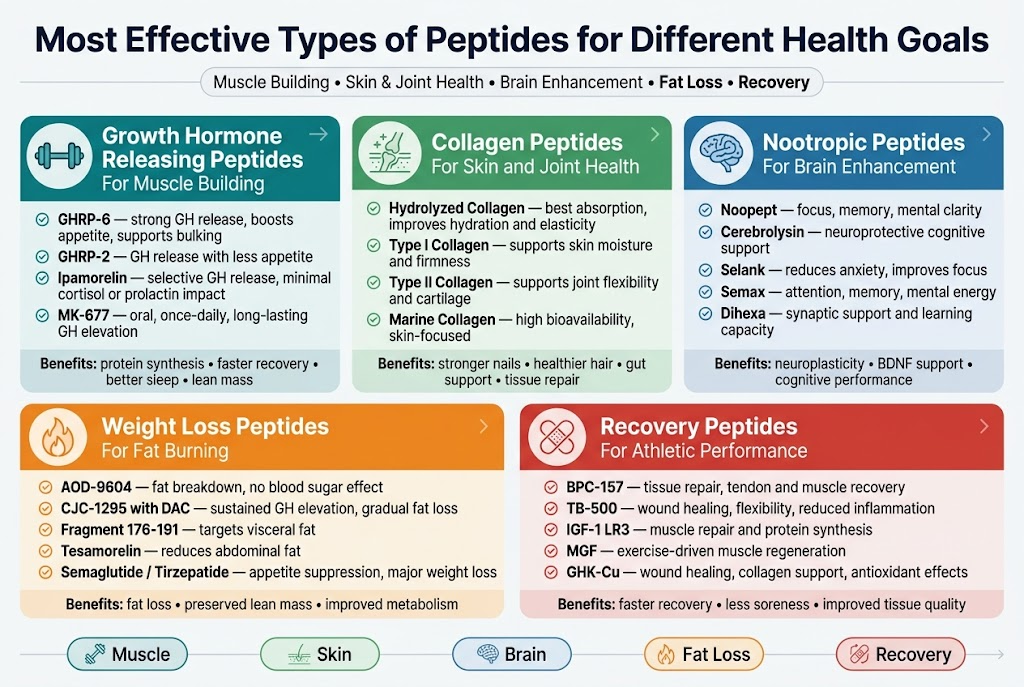
GHRP-6 stands as one of the most popular options in this category. This hexapeptide delivers powerful growth hormone release while also increasing appetite, making it perfect for those in bulking phases. Users typically experience enhanced muscle mass, improved recovery times, and better sleep quality. The appetite-stimulating effects can be particularly beneficial for hardgainers who struggle to consume enough calories for muscle growth.
GHRP-2 offers similar benefits to GHRP-6 but with less impact on appetite, making it ideal for those who want muscle-building benefits without excessive hunger. This peptide provides robust growth hormone release and has shown excellent results in clinical studies for increasing lean body mass.
Ipamorelin represents the most selective GHRP, producing consistent growth hormone release without affecting cortisol or prolactin levels. This selectivity makes it an excellent choice for long-term use, as it minimizes potential side effects while maintaining effectiveness. Many users report steady muscle gains, improved body composition, and enhanced recovery.
MK-677 (Ibutamoren) technically functions as a growth hormone secretagogue receptor agonist but provides similar benefits to traditional GHRPs. What sets MK-677 apart is its oral bioavailability and extended half-life, allowing for once-daily dosing. Users experience sustained growth hormone elevation, leading to consistent muscle building, improved bone density, and enhanced sleep quality.
The muscle-building benefits of GHRPs extend beyond simple mass gain. These peptides enhance protein synthesis, accelerate recovery between workouts, and improve nitrogen retention. Many users report being able to train more frequently and with higher intensity while experiencing less muscle soreness and fatigue.
Collagen Peptides for Skin and Joint Health
Collagen peptides have revolutionized the anti-aging and joint health supplement market by providing targeted support for the body’s structural proteins. As we age, natural collagen production declines by approximately 1% per year after age 25, making supplementation increasingly important for maintaining youthful skin and healthy joints.
Hydrolyzed Collagen Peptides represent the most bioavailable form of collagen supplementation. These peptides are broken down into smaller molecular sizes that can be easily absorbed and utilized by the body. Research shows that regular consumption of hydrolyzed collagen peptides can significantly improve skin hydration, elasticity, and reduce the appearance of wrinkles within 8-12 weeks.
Type I Collagen Peptides specifically target skin health, providing the amino acids glycine, proline, and hydroxyproline that are essential for maintaining skin structure. Studies demonstrate that daily supplementation with 2.5-5 grams of type I collagen peptides can increase skin moisture by up to 28% and reduce visible signs of aging.
Type II Collagen Peptides focus on joint health and cartilage support. These peptides contain unique amino acid profiles that help maintain joint flexibility and reduce inflammation. Clinical trials show that 40mg daily of undenatured type II collagen can significantly reduce joint pain and stiffness in both athletes and individuals with joint concerns.
Marine Collagen Peptides derived from fish sources offer superior bioavailability compared to bovine collagen. The smaller molecular structure allows for faster absorption and utilization. Marine collagen is particularly rich in type I collagen, making it exceptionally effective for skin health applications.
The benefits of collagen peptides extend beyond cosmetic improvements. Users frequently report stronger nails, healthier hair, improved gut health, and better joint mobility. The peptides work by stimulating fibroblast activity, promoting new collagen synthesis, and providing the raw materials needed for tissue repair and maintenance.
Nootropic Peptides for Brain Enhancement
Nootropic peptides represent the cutting edge of cognitive enhancement, offering targeted support for memory, focus, learning capacity, and overall brain health. These compounds work through various mechanisms to optimize neurological function and protect against age-related cognitive decline.
Noopept stands out as one of the most potent nootropic peptides available. Despite its small molecular size, Noopept delivers powerful cognitive enhancement effects at remarkably low doses (10-30mg daily). Users report improved focus, enhanced memory consolidation, and increased mental clarity. The compound works by modulating AMPA receptors and increasing BDNF (brain-derived neurotrophic factor) expression, promoting neuroplasticity and neuroprotection.
Cerebrolysin represents a complex mixture of neuropeptides derived from pig brain tissue. This pharmaceutical-grade peptide cocktail provides comprehensive neuroprotective effects and has been extensively studied for treating stroke, traumatic brain injury, and neurodegenerative conditions. Users experience improved memory, enhanced learning ability, and better overall cognitive function.
Selank offers anxiolytic effects combined with cognitive enhancement, making it ideal for those who experience anxiety-related cognitive impairment. This heptapeptide helps regulate serotonin levels while providing nootropic benefits, resulting in improved focus, reduced anxiety, and enhanced mental performance under stress.
Semax delivers potent cognitive enhancement through its action on the melanocortin system. This peptide increases BDNF expression, promotes neurogenesis, and enhances dopamine and norepinephrine activity. Users report improved attention, enhanced memory formation, and increased mental energy without the jitters associated with stimulants.
Dihexa represents one of the most promising peptides for long-term brain health. This compound promotes the formation of new synaptic connections and has shown remarkable results in reversing cognitive decline in animal studies. While still being researched, early user reports suggest significant improvements in memory and learning capacity.
Weight Loss Peptides for Fat Burning
Weight loss peptides offer a sophisticated approach to fat reduction by targeting specific metabolic pathways and hormonal systems involved in body composition regulation. These compounds provide advantages over traditional weight loss methods by preserving lean muscle mass while promoting fat loss.
AOD-9604 specifically targets fat metabolism without affecting blood sugar levels or other growth hormone-related side effects. This peptide fragment stimulates lipolysis (fat breakdown) while inhibiting lipogenesis (fat formation). Clinical studies show significant reductions in abdominal fat with AOD-9604 supplementation, making it particularly effective for spot reduction in stubborn fat areas.
CJC-1295 with DAC provides sustained growth hormone elevation, leading to improved fat metabolism and body composition changes. The extended half-life of this peptide means less frequent dosing while maintaining consistent fat-burning effects. Users typically experience gradual but steady fat loss, improved energy levels, and better sleep quality.
Fragment 176-191 represents a modified portion of the growth hormone molecule that specifically targets fat loss without other growth hormone effects. This peptide is particularly effective for reducing visceral fat and improving overall body composition. Research shows that Fragment 176-191 can reduce fat mass by up to 50% in treated areas.
Tesamorelin specifically targets visceral adipose tissue, making it highly effective for reducing dangerous abdominal fat. Originally developed for HIV-associated lipodystrophy, this peptide has shown remarkable results in healthy individuals looking to improve body composition. Users experience significant reductions in waist circumference and improved metabolic markers.
Semaglutide and Tirzepatide represent the newest generation of weight loss peptides, originally developed as diabetes medications. These GLP-1 receptor agonists provide powerful appetite suppression and slow gastric emptying, leading to significant weight loss. Clinical trials show average weight loss of 15-20% of body weight with these compounds.
Recovery Peptides for Athletic Performance
Recovery peptides have become essential tools for athletes and active individuals looking to optimize their training adaptations and minimize downtime between intense sessions. These compounds accelerate tissue repair, reduce inflammation, and enhance the body’s natural recovery processes.
BPC-157 stands as the gold standard for recovery peptides. This pentadecapeptide demonstrates remarkable healing properties, accelerating recovery from muscle strains, tendon injuries, and even bone fractures. BPC-157 promotes angiogenesis (new blood vessel formation), enhances collagen synthesis, and provides anti-inflammatory effects. Athletes report faster recovery from workouts, reduced injury risk, and improved tissue quality.
TB-500 (Thymosin Beta-4) offers comprehensive tissue repair benefits by promoting cell migration, angiogenesis, and reducing inflammation. This peptide is particularly effective for soft tissue injuries and has shown promise for cardiac and neurological tissue repair. Users experience accelerated wound healing, reduced scar tissue formation, and improved flexibility.
IGF-1 LR3 provides localized muscle repair and growth through its extended half-life and reduced binding to IGF-binding proteins. This modified form of IGF-1 promotes protein synthesis, enhances satellite cell activation, and accelerates muscle tissue repair. Athletes using IGF-1 LR3 report faster recovery between training sessions and improved muscle quality.
Mechano Growth Factor (MGF) specifically targets muscle repair following exercise-induced damage. This splice variant of IGF-1 is naturally released in response to mechanical stress and plays a crucial role in muscle adaptation. Supplementing with MGF can enhance the body’s natural response to training, leading to improved strength gains and faster recovery.
GHK-Cu (Copper Peptide) combines tissue repair benefits with anti-aging properties. This tripeptide promotes wound healing, stimulates collagen production, and provides antioxidant effects. Athletes appreciate GHK-Cu for its ability to improve skin health while supporting recovery from training stress.
The synergistic effects of combining multiple recovery peptides can provide comprehensive support for athletic performance. Many athletes stack BPC-157 with TB-500 for enhanced tissue repair, or combine growth hormone releasing peptides with recovery-focused compounds for optimal training adaptations.
Safe Administration Methods and Dosage Guidelines
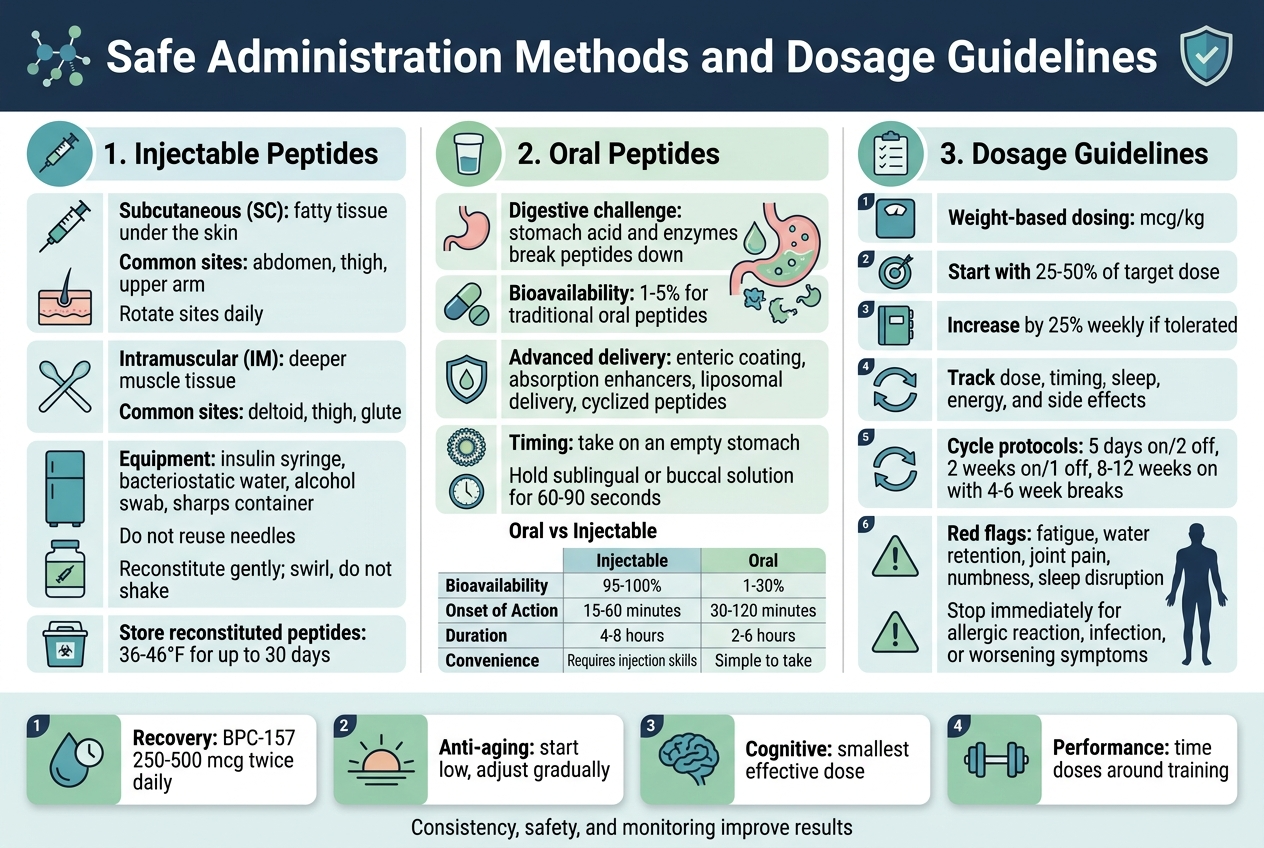
Injectable Peptides: Proper Techniques and Safety Measures
When you decide to use injectable peptides, you’re choosing the most bioavailable and effective delivery method available. The injectable route bypasses the digestive system entirely, delivering peptides directly into your bloodstream where they can work their magic without degradation from stomach acid or digestive enzymes.
Subcutaneous vs. Intramuscular Injection
Most peptides work best with subcutaneous injection, which means injecting into the fatty tissue just under your skin. This method is gentler, easier to master, and provides steady absorption. Common injection sites include the abdomen (staying at least two inches away from your belly button), the top of your thighs, or the back of your upper arms. Rotate your injection sites daily to prevent tissue irritation and lipodystrophy – basically, lumpy or sunken areas that can develop from repeated injections in the same spot.
Intramuscular injection goes deeper into muscle tissue and is typically reserved for specific peptides or when your healthcare provider specifically recommends it. The deltoid muscle in your shoulder, the vastus lateralis in your thigh, or the gluteus maximus are common IM injection sites. This method can be more uncomfortable but may provide faster absorption for certain compounds.
Essential Safety Equipment and Preparation
Your injection toolkit should include insulin syringes (typically 0.3ml to 1ml capacity with 29-31 gauge needles), bacteriostatic water for reconstitution, alcohol swabs, and a sharps disposal container. Never reuse needles or share equipment – this isn’t the place to cut corners on safety.
Before handling any peptide, wash your hands thoroughly with antibacterial soap. Clean your work surface and gather all materials. Most research peptides come as lyophilized powder that requires reconstitution with bacteriostatic water. Draw up the appropriate amount of bacteriostatic water using a fresh syringe, then slowly inject it down the side of the vial containing the peptide powder. Don’t shoot the water directly onto the powder as this can damage the delicate peptide chains.
Gently swirl the vial – never shake it vigorously. The solution should be clear and colorless. If you see particles floating around or cloudiness that doesn’t clear after gentle mixing, don’t use that vial.
Injection Technique Mastery
Clean your chosen injection site with an alcohol swab and let it air dry for about 30 seconds. Remove the cap from your syringe and hold it like a pencil. Pinch up a fold of skin with your non-dominant hand – this creates a small “hill” of fatty tissue that’s perfect for subcutaneous injection.
Insert the needle at a 45-90 degree angle (depending on how much subcutaneous fat you have) with a quick, confident motion. You want to go through the skin in one smooth movement rather than hesitating and creating unnecessary trauma. Once the needle is in, release the skin fold and slowly depress the plunger. Take your time here – rushing can cause discomfort and poor absorption.
After injecting, wait a few seconds before withdrawing the needle, then pull it straight out. Don’t rub the injection site immediately; instead, apply gentle pressure with a clean gauze pad if needed. Dispose of the needle and syringe in your sharps container immediately.
Storage and Handling Protocols
Reconstituted peptides are living molecules that demand respect. Most need refrigeration between 36-46°F and should be used within 30 days of reconstitution. Store them upright in the main body of your refrigerator, not in the door where temperature fluctuations are common.
Unreconstituted peptide powder can typically be stored at room temperature in a dark, dry place, though refrigeration extends shelf life. Check the specific storage requirements for each peptide you’re using, as some have unique needs.
Timing and Frequency Considerations
Most peptides work best when injected at consistent times daily. Growth hormone releasing peptides often perform better on an empty stomach, typically first thing in the morning or before bed. BPC-157 can be taken any time but works well when timed around workouts for injury recovery. Establish a routine and stick to it – your body responds better to consistent timing.
Oral Peptides: Absorption and Effectiveness Considerations
While injectable peptides dominate the research landscape, oral peptides are gaining ground as technology improves. The main challenge has always been bioavailability – your digestive system treats peptides like food and breaks them down before they can reach your bloodstream.
The Digestive Challenge
Your stomach acid has a pH around 1.5-2, which is incredibly harsh and designed to break down proteins and peptides. Then there’s pepsin, an enzyme specifically designed to cleave peptide bonds. Even if peptides survive your stomach, they face additional enzymes in your small intestine. Traditional oral peptides might have bioavailability as low as 1-5%, meaning you’d need massive doses to achieve therapeutic effects.
Advanced Delivery Technologies
Modern oral peptide formulations use several clever strategies to improve absorption. Enteric coating protects peptides from stomach acid, allowing them to reach your small intestine intact. Some formulations include absorption enhancers that temporarily open tight junctions between intestinal cells, creating windows for peptide absorption.
Liposomal delivery systems wrap peptides in fat-like particles that can merge with cell membranes. This technology significantly improves bioavailability and is becoming more common in high-quality oral peptide products.
Cyclized peptides represent another breakthrough. Scientists modify the peptide structure to make it more resistant to digestive enzymes while maintaining biological activity. These modified peptides can achieve much higher oral bioavailability.
Timing and Food Interactions
Taking oral peptides requires strategic timing. Most work best on an empty stomach – take them at least 2 hours after eating and wait at least 30 minutes before consuming food or beverages other than water. Your stomach empties faster when empty, reducing exposure time to destructive acids and enzymes.
Some peptides benefit from specific timing relative to circadian rhythms. Oral growth hormone peptides often work best when taken before bed, aligning with your body’s natural growth hormone release patterns.
Comparing Oral vs Injectable Effectiveness
| Factor | Injectable | Oral |
|---|---|---|
| Bioavailability | 95-100% | 1-30% (varies by formulation) |
| Onset of Action | 15-60 minutes | 30-120 minutes |
| Duration | 4-8 hours | 2-6 hours |
| Convenience | Requires injection skills | Simple to take |
| Cost per Dose | Lower (higher bioavailability) | Higher (lower bioavailability) |
| Consistency | Very consistent | Can vary with food/timing |
Sublingual and Buccal Delivery
Some peptides work well when held under your tongue (sublingual) or against your cheek (buccal). These mucous membranes have rich blood supply and can absorb smaller peptides directly into circulation, bypassing digestive breakdown. Hold the solution in place for 60-90 seconds before swallowing any remainder.
This method works particularly well for smaller peptides and those designed for sublingual delivery. The absorption isn’t as complete as injection but can be significantly better than traditional oral consumption.
Determining Your Optimal Dosage Based on Goals
Finding your perfect peptide dosage involves balancing effectiveness, safety, and your specific health goals. Unlike traditional medications with standardized dosing, peptides often require individualized approaches based on body weight, metabolism, health status, and desired outcomes.
Weight-Based Dosing Fundamentals
Most peptide protocols start with weight-based calculations, typically expressed as micrograms per kilogram of body weight (mcg/kg). For example, a common starting dose for many peptides might be 1-2 mcg/kg daily. If you weigh 70 kg (154 lbs), your starting dose would be 70-140 mcg daily.
This approach provides a reasonable starting point, but individual factors can shift your optimal dose significantly. Age, metabolism, previous peptide experience, and specific health conditions all influence how you respond to different doses.
Goal-Specific Dosing Strategies
Recovery and Healing Goals: Peptides like BPC-157 for injury recovery typically use higher initial doses (250-500 mcg twice daily) for acute injuries, then taper to maintenance doses (250 mcg daily) for ongoing tissue health. TB-500 follows similar patterns with front-loading protocols.
Anti-Aging and Longevity: Growth hormone releasing peptides for anti-aging usually start conservatively. GHRP-6 or GHRP-2 might begin at 100 mcg three times daily, with gradual increases based on response. CJC-1295 typically uses 1-2 mg weekly due to its longer half-life.
Cognitive Enhancement: Nootropic peptides like Noopept or cognitive enhancing compounds often use micro-dosing approaches. Start with the smallest effective dose and increase gradually while monitoring mental clarity, focus, and any side effects.
Performance Enhancement: Athletic performance peptides require careful timing around training. IGF-1 variants might use 20-40 mcg post-workout when muscle protein synthesis peaks. Timing becomes as important as total dose.
The Progressive Dosing Approach
Smart peptide users follow a systematic progression rather than jumping to maximum doses immediately. Start with 25-50% of the target dose for the first week, monitoring for any adverse reactions or unexpected responses. If you tolerate the initial dose well, increase by 25% weekly until reaching your target dose.
This approach lets you identify your minimum effective dose – the smallest amount that produces desired results. Many people find they need less than expected protocols suggest, saving money and reducing potential side effects.
Monitoring and Adjusting Your Protocol
Track your response using objective measures when possible. Recovery peptides might be monitored through pain levels, range of motion, or functional capacity. Cognitive peptides could be tracked through focus duration, memory tests, or productivity measures.
Keep a daily log noting dose, timing, sleep quality, energy levels, and any side effects. Look for patterns over 2-4 week periods rather than day-to-day fluctuations. Your body needs time to adapt and show consistent responses.
Cycling and Tolerance Management
Most peptides benefit from cycling rather than continuous use. Common approaches include 5 days on/2 days off, 2 weeks on/1 week off, or 8-12 week cycles with 4-6 week breaks. This prevents receptor desensitization and maintains effectiveness over time.
Some peptides like growth hormone releasing compounds may require longer cycles (3-6 months) to see maximum benefits, while others work best with shorter, more frequent cycles.
Individual Factors Affecting Dosage
Age significantly impacts peptide sensitivity. Younger individuals often need lower doses due to more active natural systems, while older users might require higher doses to overcome age-related declines in receptor sensitivity.
Body composition matters too. Higher body fat percentages might require dose adjustments for some peptides, while lean individuals may be more sensitive to standard doses. Metabolic rate, activity level, stress, and sleep quality all influence how your body processes and responds to peptides.
Medical conditions can dramatically alter peptide requirements. Thyroid dysfunction, insulin resistance, hormone imbalances, or chronic inflammatory conditions may require modified protocols under medical supervision.
Red Flags and Dose Reduction Signals
Watch for signs that your dose might be too high: persistent fatigue, unusual water retention, joint pain, numbness or tingling, dramatic mood changes, or sleep disruption. These symptoms often resolve quickly with dose reduction.
Some side effects indicate serious problems requiring immediate discontinuation: severe allergic reactions, persistent injection site reactions, signs of infection, or any symptom that worsens rather than improves over time.
Stacking and Combination Protocols
When using multiple peptides simultaneously, start each one individually to assess tolerance before combining. Total peptide load can create synergistic effects that amplify both benefits and potential side effects.
Common successful combinations include growth hormone peptides with recovery peptides, or cognitive enhancers with adaptogenic compounds. However, avoid combining peptides with similar mechanisms of action without understanding potential interactions.
Potential Side Effects and Risk Management Strategies
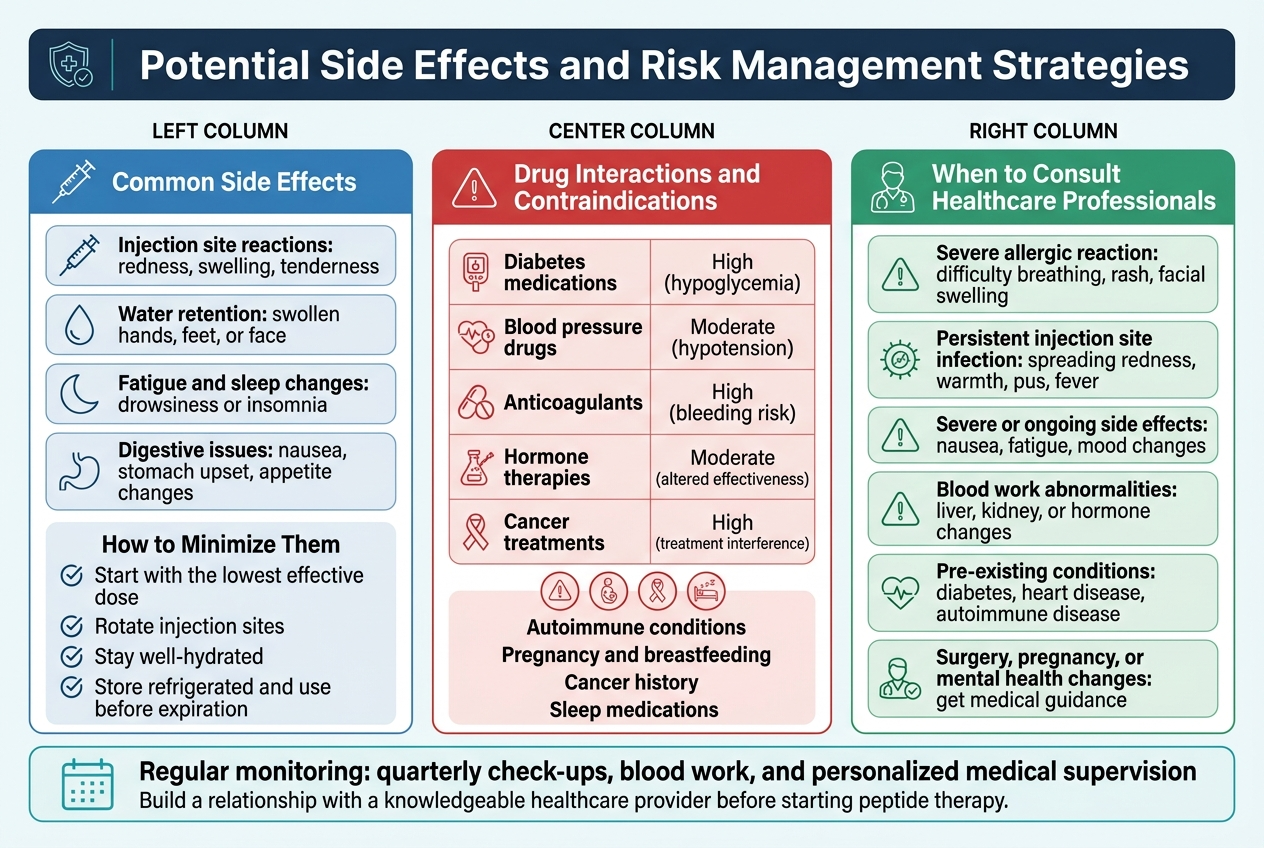
Common Side Effects and How to Minimize Them
Peptide supplementation can trigger various reactions in your body, ranging from mild discomfort to more noticeable effects. The most frequently reported issues include injection site reactions when using injectable forms. You might experience redness, swelling, or tenderness at the injection location, especially during your first few weeks of use. These reactions typically fade as your body adapts to the treatment.
Water retention represents another common concern, particularly with growth hormone-releasing peptides. Your hands, feet, or face might appear slightly swollen, and you may notice temporary weight gain from fluid accumulation. This effect usually stabilizes within 2-4 weeks as your hormone levels balance out.
Many people report initial fatigue or changes in sleep patterns when starting peptide therapy. Your energy levels might fluctuate during the adjustment period, and some experience either increased drowsiness or difficulty falling asleep. These sleep disruptions often resolve once your body establishes a new rhythm with the peptides.
Digestive issues can surface with certain peptides, especially those affecting gut hormones or metabolism. Nausea, mild stomach upset, or changes in appetite are possible, though these symptoms typically decrease with continued use. Taking peptides with food or adjusting the timing of administration often helps reduce gastric irritation.
To minimize these common effects, start with the lowest effective dose and gradually increase as tolerated. This approach allows your body to adapt slowly rather than being overwhelmed by sudden changes. Proper injection technique becomes crucial for injectable peptides – rotating injection sites prevents tissue irritation and reduces the likelihood of developing lumps or persistent soreness.
Staying well-hydrated helps manage both injection site reactions and water retention issues. Drinking plenty of water supports your body’s natural processes and can reduce the severity of most side effects. Regular monitoring of your response helps identify patterns and adjust your regimen accordingly.
Temperature control during storage prevents peptide degradation, which could lead to reduced effectiveness or unexpected reactions. Keep your peptides refrigerated and use them within their expiration dates to maintain their integrity and minimize adverse effects.
Drug Interactions and Contraindications to Avoid
Peptides can interact with various medications and medical conditions, creating potentially dangerous situations if not properly managed. Blood sugar-regulating peptides pose particular risks for people taking diabetes medications. Combining these treatments without medical supervision can lead to severe hypoglycemia, especially with insulin or sulfonylurea drugs.
Growth hormone-releasing peptides may interfere with medications that affect hormone levels. Birth control pills, hormone replacement therapy, and thyroid medications could have altered effectiveness when combined with certain peptides. The interactions might reduce the benefits of either treatment or create unexpected hormonal imbalances.
Blood pressure medications require special attention when using peptides that affect cardiovascular function. Some peptides naturally lower blood pressure, which could compound the effects of antihypertensive drugs and cause dangerously low readings. Regular monitoring becomes essential to prevent hypotensive episodes.
Anticoagulant medications like warfarin or newer blood thinners present interaction risks with peptides that affect blood clotting or platelet function. Even minor changes in clotting factors could lead to bleeding complications or reduced anticoagulant effectiveness.
Sleep medications and peptides affecting rest patterns create a complex interaction web. Combining these treatments might produce excessive sedation or interfere with natural sleep cycles. Benzodiazepines, sleep aids, and certain antidepressants could have amplified effects when used alongside sleep-promoting peptides.
Cancer patients face unique contraindication concerns. Many peptides stimulate cellular growth or immune function, which could potentially interfere with cancer treatments or promote tumor growth. Anyone with a history of cancer should avoid peptides that stimulate growth factors or cellular proliferation without oncologist approval.
Autoimmune conditions present another contraindication category. Immune-stimulating peptides might exacerbate conditions like rheumatoid arthritis, multiple sclerosis, or inflammatory bowel disease by overactivating an already hyperactive immune system.
Pregnancy and breastfeeding represent absolute contraindications for most peptides due to insufficient safety data. The developing fetus or nursing infant could be affected by hormone-altering substances, making peptide use inadvisable during these periods.
| Medication Category | Peptide Interaction Risk | Monitoring Required |
|---|---|---|
| Diabetes medications | High (hypoglycemia) | Blood glucose daily |
| Blood pressure drugs | Moderate (hypotension) | BP checks twice weekly |
| Anticoagulants | High (bleeding risk) | Regular INR/PT tests |
| Hormone therapies | Moderate (altered effectiveness) | Hormone level monitoring |
| Cancer treatments | High (treatment interference) | Oncologist supervision |
When to Consult Healthcare Professionals
Certain situations require immediate medical attention when using peptides. Severe allergic reactions, though rare, can occur and present as difficulty breathing, widespread rash, or facial swelling. These symptoms need emergency medical care as they could progress to life-threatening anaphylaxis.
Persistent injection site infections signal a serious complication requiring medical intervention. Signs include spreading redness, warmth, streaking from the injection area, fever, or pus formation. These infections can become systemic if left untreated and may require antibiotic therapy.
Unexpected or severe side effects that don’t improve with dose adjustments warrant professional evaluation. Continuous nausea, persistent fatigue lasting beyond the initial adjustment period, or unusual mood changes could indicate an inappropriate peptide choice or dosing issue.
Blood work abnormalities discovered during routine monitoring need professional interpretation. Changes in liver enzymes, kidney function markers, or hormone levels might require immediate intervention or treatment modifications. Regular laboratory testing helps catch these issues before they become serious.
Pre-existing medical conditions require ongoing medical supervision throughout peptide therapy. Diabetes patients need regular blood sugar monitoring and potential medication adjustments. Heart disease patients require cardiovascular assessments to ensure peptides aren’t causing harmful effects.
Age-related considerations become important for both younger and older users. Adolescents using growth-related peptides need careful monitoring to ensure proper development, while elderly patients require assessment for drug interactions and age-related complications.
Planning any surgical procedures while using peptides requires medical consultation. Some peptides affect healing, blood clotting, or anesthesia response, necessitating temporary discontinuation or special precautions during operations.
Women planning pregnancy or discovering pregnancy while using peptides need immediate medical guidance. Most peptides should be discontinued, but the timing and method of stopping treatment might vary depending on the specific compounds used.
Mental health changes during peptide therapy deserve professional attention. While some mood improvements are expected with certain peptides, significant depression, anxiety, or behavioral changes could indicate adverse reactions requiring intervention.
Regular health monitoring schedules vary depending on your peptide regimen and individual risk factors. Most people benefit from quarterly check-ups including basic blood work, but those with complex medical histories might need monthly evaluations during the initial treatment period.
Healthcare providers experienced with peptide therapy offer the best guidance for managing complex situations. These specialists understand the nuances of different peptides and can provide personalized recommendations based on your specific health profile and goals.
Building a relationship with a knowledgeable healthcare provider before starting peptide therapy creates a safety net for managing unexpected issues. This proactive approach ensures you have expert guidance available when questions or concerns arise during your treatment journey.
Choosing High-Quality Peptide Sources and Products
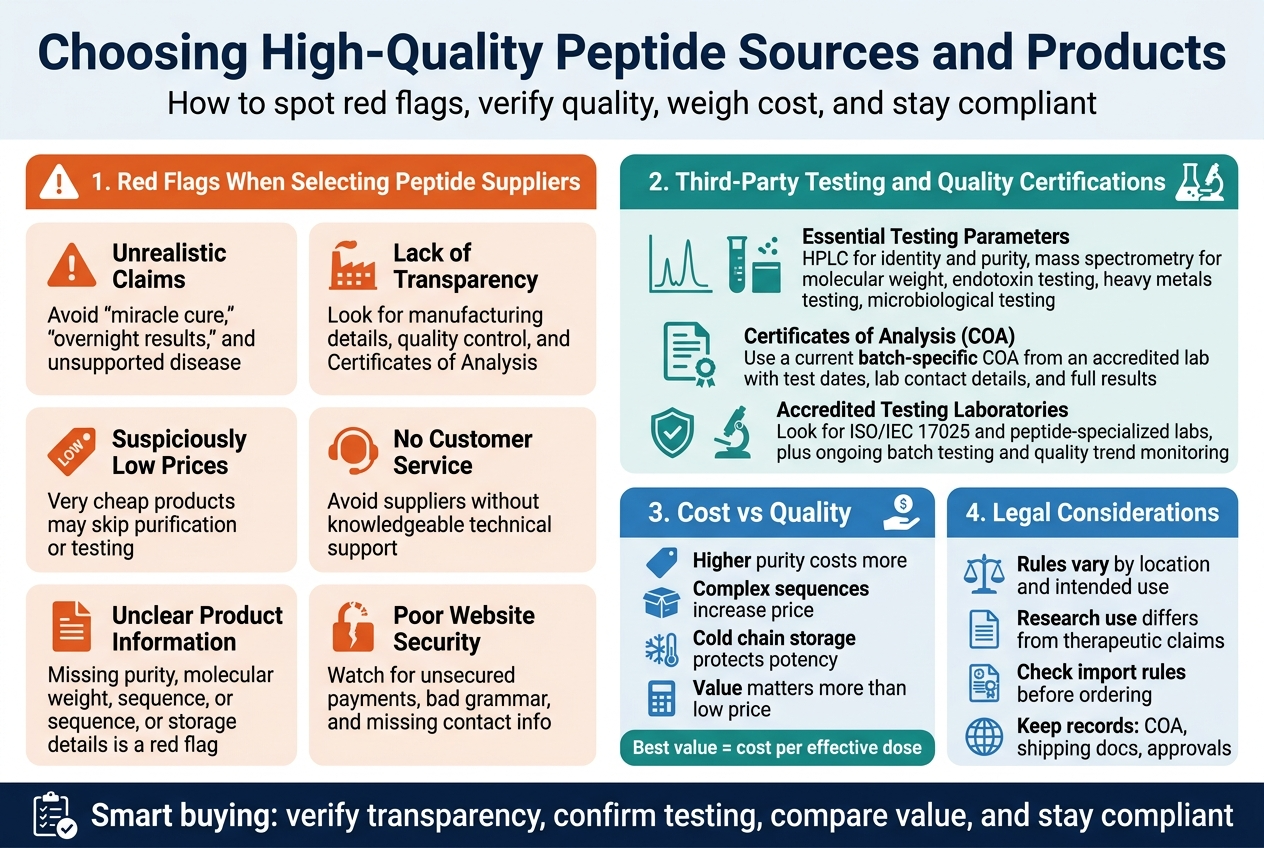
Red Flags When Selecting Peptide Suppliers
Shopping for peptides feels like navigating a minefield. The market overflows with suppliers promising miraculous results, but separating legitimate companies from questionable vendors requires a sharp eye for detail.
Unrealistic Claims and Marketing Hype
Companies that promise overnight transformations or claim their peptides cure diseases should immediately raise your suspicions. Legitimate suppliers focus on scientific evidence and realistic expectations rather than sensational marketing copy. Watch for phrases like “miracle cure,” “fountain of youth,” or “FDA-approved” when the product clearly isn’t approved for human consumption.
Lack of Transparency About Manufacturing
Quality suppliers openly share information about their manufacturing processes, facilities, and quality control measures. Red flags include vague descriptions of production methods, reluctance to provide certificates of analysis, or claims about “proprietary formulations” that can’t be verified. Reputable companies maintain detailed documentation about their peptide synthesis processes and willingly share this information with customers.
Suspiciously Low Prices
While everyone loves a good deal, peptide production involves expensive equipment, high-quality raw materials, and rigorous testing procedures. Prices significantly below market average often indicate corners being cut somewhere in the process. These shortcuts might involve using inferior starting materials, skipping purification steps, or avoiding costly quality testing.
No Customer Service or Scientific Support
Legitimate peptide suppliers employ knowledgeable staff who can answer technical questions about their products. Companies that rely solely on automated responses, provide no phone contact, or have customer service representatives who can’t discuss basic peptide properties should be avoided. Quality suppliers often have scientists or pharmacists available to address complex inquiries.
Unclear Product Information
Product listings should include detailed specifications such as purity percentages, molecular weight, sequence information, and storage requirements. Suppliers who provide minimal product details, use generic stock photos, or offer vague descriptions likely don’t have proper quality control systems in place.
Poor Website Security and Professionalism
Professional suppliers invest in secure websites with SSL certificates, professional design, and comprehensive product information. Be wary of sites with broken links, poor grammar, missing contact information, or unsecured payment processing. These details often reflect the company’s overall attention to quality and customer safety.
Third-Party Testing and Quality Certifications
Third-party testing represents the gold standard for peptide quality verification. Independent laboratories provide unbiased analysis that confirms product purity, identity, and safety without conflicts of interest that might influence results from in-house testing.
Essential Testing Parameters
High-purity liquid chromatography (HPLC) analysis confirms peptide identity and measures purity levels. Mass spectrometry verifies molecular weight and detects impurities or degradation products. These tests should show purity levels of 95% or higher for research-grade peptides, with detailed chromatograms available for review.
Endotoxin testing ensures peptides remain free from bacterial contamination that could trigger immune responses. Heavy metals testing screens for toxic elements like lead, mercury, and cadmium that might contaminate products during manufacturing. Microbiological testing confirms absence of harmful bacteria, yeast, and mold.
Certificates of Analysis (COA)
Every peptide batch should come with a current certificate of analysis from an accredited testing laboratory. These documents provide specific test results for that exact batch, not generic information applicable to multiple production runs. COAs should include test dates within recent months, clearly identify the testing laboratory, and display results for all relevant quality parameters.
Look for COAs that include the testing laboratory’s contact information and accreditation details. Legitimate testing facilities welcome direct contact from customers who want to verify results or ask technical questions about testing procedures.
Accredited Testing Laboratories
Quality suppliers work with laboratories that hold relevant accreditations such as ISO/IEC 17025, which demonstrates competence in testing and calibration. These accreditations require regular audits and proficiency testing to maintain certification status.
Some testing laboratories specialize in peptide analysis and have developed specific expertise in this area. These specialized facilities often provide more comprehensive testing panels and better understand the unique challenges associated with peptide quality control.
Ongoing Quality Monitoring
Single tests don’t guarantee consistent quality across multiple batches. Look for suppliers who conduct testing on every batch rather than periodic sampling. Some companies provide customers with access to online databases where they can review historical test results and track quality trends over time.
Advanced suppliers implement statistical process control methods that monitor quality parameters across multiple batches and identify trends before they become problems. This proactive approach helps maintain consistent quality and quickly identifies any manufacturing issues.
Cost vs Quality: Making Smart Investment Decisions
Balancing cost and quality in peptide purchasing requires understanding what drives pricing differences and how to evaluate value rather than simply comparing prices.
Understanding Peptide Pricing Factors
Synthesis complexity significantly impacts peptide costs. Longer sequences, unusual amino acids, and difficult purification requirements increase production expenses. Simple peptides with common amino acid sequences cost less to produce than complex peptides requiring specialized synthesis techniques.
Purity levels directly correlate with pricing, as achieving higher purity requires additional purification steps and more extensive testing. Research-grade peptides (95%+ purity) cost more than lower-grade products, but the investment pays off in consistent results and reduced risk of adverse effects.
Batch sizes influence per-unit costs, with larger batches typically offering better pricing. However, peptides degrade over time, so purchasing quantities that exceed your needs within their shelf life wastes money regardless of bulk discounts.
Quality Indicators Worth Paying For
Proper storage and handling throughout the supply chain justifies higher costs. Peptides requiring frozen storage that arrive at room temperature have likely lost potency, making them worthless regardless of the initial price. Companies that invest in cold chain logistics and proper packaging materials charge more but deliver products that retain their effectiveness.
Comprehensive testing adds to product costs but provides confidence in quality and safety. Suppliers who test every batch for multiple parameters charge more than those who rely on minimal testing, but the additional cost protects against receiving contaminated or degraded products.
Customer support and technical expertise justify premium pricing. Suppliers who employ knowledgeable staff and provide detailed product information cost more to operate but offer valuable guidance that helps customers achieve better results.
Long-Term Value Considerations
Cheap peptides that don’t work represent complete waste of money, regardless of their low initial cost. Calculating cost per effective dose rather than cost per milligram provides better insight into true value. A higher-priced peptide with guaranteed potency often costs less per effective treatment than a cheaper product with questionable activity.
Storage and handling requirements affect long-term costs. Peptides that remain stable under normal storage conditions offer better value than products requiring expensive frozen storage, especially for users who don’t have proper storage facilities.
Budget-Friendly Quality Strategies
Group purchases can reduce costs while maintaining quality standards. Research communities and user groups sometimes coordinate bulk orders that achieve volume discounts without sacrificing quality requirements.
Starting with smaller quantities allows testing of supplier quality before making larger commitments. This approach costs more per unit initially but prevents large losses if the supplier proves unreliable.
Consider peptide stability when comparing options. More stable formulations might cost more upfront but last longer in storage, reducing the need for frequent reordering and minimizing waste from degraded products.
Legal Considerations and Regulatory Compliance
Navigating the legal landscape surrounding peptides requires understanding regulations that vary by location, intended use, and specific compounds. These rules change frequently, making ongoing compliance monitoring essential for both suppliers and customers.
Regulatory Classifications and Restrictions
Peptides exist in a complex regulatory environment where classification depends on intended use, marketing claims, and specific compounds involved. The same peptide might be legal as a research chemical but prohibited when marketed for human consumption or therapeutic use.
Many peptides fall into regulatory gray areas where laws haven’t caught up with scientific developments. This ambiguity creates risks for both suppliers and customers who might unknowingly violate regulations that aren’t clearly defined or widely understood.
Some peptides face specific restrictions based on their potential for misuse or safety concerns. Growth hormone releasing peptides, for example, face additional scrutiny in many jurisdictions due to their potential use in sports doping or unauthorized medical treatments.
Supplier Compliance Requirements
Legitimate suppliers maintain compliance with applicable regulations in their operating jurisdictions. This includes proper business licensing, facility registrations, and adherence to manufacturing standards required for their product categories.
International suppliers must navigate export/import regulations that vary by destination country. Reputable companies understand these requirements and handle necessary documentation, customs declarations, and shipping restrictions appropriately.
Quality suppliers avoid making therapeutic claims about their products and clearly label them for their intended legal use. Companies that make medical claims about products not approved for human consumption expose themselves and their customers to regulatory action.
Customer Responsibilities and Risks
Customers bear responsibility for ensuring their intended use complies with local regulations. Research use typically faces fewer restrictions than therapeutic applications, but even research use may require proper institutional oversight and approval processes.
Import regulations vary significantly between countries and change frequently. Customers ordering internationally should verify current import rules and understand potential consequences of violations, which might include product seizure, fines, or criminal charges.
Professional users such as researchers or healthcare providers may face additional compliance requirements through their institutions or professional licensing boards. These obligations often exceed general legal requirements and include specific documentation, approval, and reporting procedures.
Risk Management Strategies
Working with suppliers who provide clear documentation about regulatory status helps reduce compliance risks. Quality companies maintain legal counsel and stay current on regulatory changes that affect their products and customers.
Maintaining detailed records of purchases, intended use, and any required approvals helps demonstrate compliance if questions arise. These records should include certificates of analysis, shipping documents, and any institutional approvals or notifications.
Regular consultation with legal counsel familiar with peptide regulations helps navigate complex compliance requirements. The investment in professional legal advice often prevents much more expensive problems that arise from inadvertent violations.
Consider regulatory trends when making long-term commitments to specific peptides or suppliers. Regulatory environments evolve rapidly, and products legal today might face restrictions in the future. Diversifying suppliers and staying informed about regulatory developments helps maintain access to needed products while avoiding compliance problems.
Peptides offer a promising path to better health, from boosting energy and recovery to supporting anti-aging goals. The key is understanding which types work best for your specific needs, whether that’s collagen peptides for skin health, BPC-157 for healing, or growth hormone peptides for muscle recovery. Quality matters just as much as the peptide itself, so stick with reputable sources and always follow proper dosing guidelines.
Start small, pay attention to how your body responds, and remember that peptides work best when combined with a healthy lifestyle. If you’re dealing with persistent health issues or have specific performance goals, these compounds might be exactly what you’ve been looking for. Talk to a healthcare provider who understands peptide therapy, do your research on products, and take the first step toward optimizing your health today.